


Table of Contents
- Why Coffee Needs to Rest After Roasting
- The Coffee Degassing Process: What Carbon Dioxide Does to Your Brew
- How Long After Roasting Is Coffee Best for Filter and Espresso
- How to Store Coffee Beans for Freshness
- Signs of Stale Coffee Beans
- Troubleshooting Gassy Coffee and Climate Variables
- Conclusion
- Frequently Asked Questions
Last Updated: September 24, 2026
Why Coffee Needs to Rest After Roasting
Freshly roasted coffee is not ready to brew, the single biggest reason home brewers get disappointing results from beans they just bought. This guide from Happy Pup Coffee Company explains exactly how long after roasting is coffee best, and why the answer changes depending on how you brew.
The short answer: most coffee tastes best between 4 and 14 days after the roast date. Espresso often peaks a little later than filter coffee. Light roasts need more rest than dark roasts.
Roasting drives heat and chemical change through the bean. Carbon dioxide builds up inside, and that gas must escape before water can extract flavor properly. Brew too soon and the gas fights your water; wait too long and oxygen wins instead.
The Coffee Degassing Process: What Carbon Dioxide Does to Your Brew
The coffee degassing process is the release of carbon dioxide trapped inside beans after roasting. It directly controls how your coffee tastes.
During roasting, beans expand and fill with gas, which then escapes slowly through tiny pores. This is why a valve-sealed bag puffs up after packing: the one-way valve lets gas out without letting oxygen in.
Carbon dioxide repels water. If too much gas is still leaving the bean when you brew, water cannot reach the soluble compounds that carry sweetness and acidity, and the result is a flat, thin, oddly bitter cup.
Reading the Visual Signs of Degassing
You can watch degassing happen: drop a few freshly roasted beans into hot water and the rising bubbles and foam are carbon dioxide escaping.
Here is what the bubbles tell you:
- Heavy foaming and a large bloom: the coffee is very fresh, likely under 5 days
- Moderate bloom with steady bubbles: the coffee is in a good window
- Barely any bloom: the coffee has degassed fully or is going stale
The bloom is a signal, not a flaw. A big bloom in a pour-over means freshness, but you may need a slightly coarser grind and a slower pour for an even extraction.
How Long After Roasting Is Coffee Best for Filter and Espresso
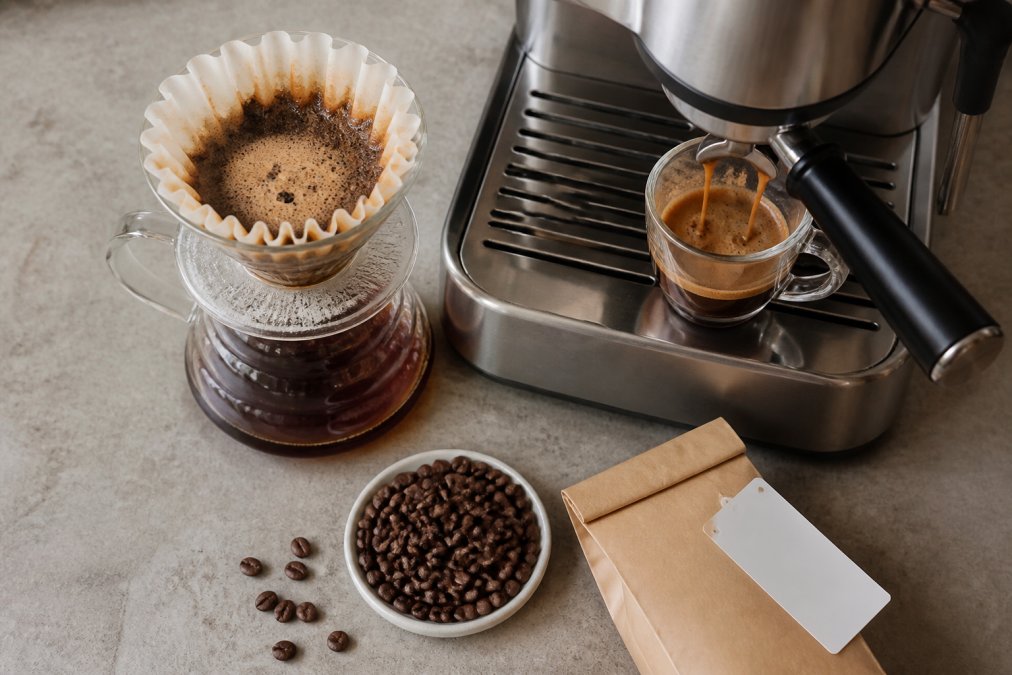
The best window for filter coffee is 5 to 14 days after roasting. Espresso tends to hit its peak later, usually 7 to 21 days, because the pressure of the machine handles residual gas differently than a gravity-fed brew.
Resting Times by Roast Level
Roast level changes the timeline. Darker roasts degas faster because the roasting process has already opened up the bean structure. Lighter roasts hold onto gas longer and need more patience.
| Roast Level | Filter Coffee | Espresso |
|---|---|---|
| Light roast | 10-21 days | 14-28 days |
| Medium roast | 7-14 days | 10-21 days |
| Dark roast | 3-7 days | 5-12 days |
How to Store Coffee Beans for Freshness
The best way to store coffee beans for freshness is in an airtight container, kept cool, dark, and away from moisture. Oxygen, heat, light, and humidity are the four enemies. Beat all four and you protect the flavor for weeks.
Match Your Storage to the Resting Stage
Days 0-3 (actively degassing): Keep beans in the original valve-sealed bag or a container with a one-way valve, which lets carbon dioxide escape without letting oxygen in. Sealing fresh beans in a fully airtight jar can build pressure and, in a worst case, pop the lid. At this stage the bag puffing up is a feature, not a flaw.
The Freezer Question, Answered Properly
Freezing is the most misunderstood storage method. Done wrong, it ruins coffee. Done right, it is the single best way to extend the peak window.
What Actually Causes Staling
Oxidation is the main driver: once oxygen works into the bean, the volatile aroma compounds break down and the oils go rancid. Heat accelerates every chemical reaction, which is why a bag on top of the fridge fades faster than one in a cool cupboard. Light degrades the oils directly, so a clear jar on a sunny counter is worse than an opaque one in a cabinet.
A few storage rules that actually matter:
- Keep beans in an airtight container, not the rolled-down bag, once they are past the active-degassing stage
- Store in a dark cupboard, not on top of the fridge or beside the stove
- Freeze in single-week portions, and thaw fully before opening
- Never store coffee next to spices or strong-smelling foods, since beans absorb odors
Signs of Stale Coffee Beans
The signs of stale coffee beans show up in smell, look, and taste long before the bag is empty.
Watch for these:
- The beans smell flat or papery instead of sweet and aromatic
- No bloom when hot water hits the grounds
- The surface looks dull and dry rather than slightly oily
- The brewed cup tastes hollow, cardboard-like, or sour in a bad way
- The shot runs too fast and tastes thin
Troubleshooting Gassy Coffee and Climate Variables
Gassy coffee is not a defect, it usually means the beans are simply too fresh, and the fix is patience, not a return. But sometimes you cannot wait, so here is how to brew around it.
If You Must Brew Very Fresh Coffee
Carbon dioxide repels water, so a bean still off-gassing resists even extraction. You can work around it:
- Grind coarser. A finer grind creates more surface area for gas to escape from, which is why young coffee tends to stall a pour-over or channel in an espresso puck. Back off the grind setting by a notch or two.
- Let the grounds rest. Grind, then wait five to ten minutes before brewing. Much of the trapped gas escapes into the air, and the bed settles. This is the single easiest fix for a gassy pour-over.
- Lower the water temperature slightly. Very fresh coffee extracts fast and can taste sharp or ashy. Dropping a few degrees tames that edge without flattening the cup.
- Expect a bigger bloom. A large bloom is not a problem to fix, it is a signal. Give it more time and pour more gently so the bed does not collapse.
- For espresso, expect fast shots. Young beans often pull thin and sour. Adjust the grind finer to slow the shot, and accept that the cup will improve noticeably within a week.
Reading the Bloom as a Freshness Gauge
You can watch degassing in real time: drop a few freshly roasted beans into hot water, or watch your pour-over bloom, and the bubbles tell you where the coffee is:
- Heavy foaming, a large domed bloom: very fresh, likely under 5 days
- Moderate bloom with steady bubbles: in the good window
- Barely any bloom: fully degassed, or going stale
Climate and Humidity Change the Timeline
Ambient conditions at your kitchen counter affect how fast beans degas and oxidize. This is why two people can buy the same bag and have completely different experiences.
- Warm, humid rooms speed up both degassing and oxidation. Coffee hits its peak faster and fades faster. In a humid summer kitchen, a bag might peak at day five and taste tired by day twenty.
- Cool, dry rooms slow the whole process. The same beans may hold their flavor noticeably longer, and the peak window shifts later.
- Altitude of your location matters less than the altitude where the bean was grown, but it does affect brewing: at higher elevations, water boils at a lower temperature, which changes extraction.
Why Altitude and Processing Method Shift the Resting Window
Bean density is the hidden variable. Coffee grown at high altitude develops more slowly and more densely, and dense beans hold onto carbon dioxide longer. A dense, high-grown washed bean may need a longer rest than a softer, lower-grown bean roasted to the same level.
Conclusion
The window between roast and peak flavor is narrow, and most people miss it in one direction or the other. Brew too soon and the gas gets in the way. Wait too long and oxidation takes over. Learning to read the roast date, the bloom, and the smell of your beans puts you in control of every cup.
Frequently Asked Questions
How long is coffee good after being roasted?
Roasted coffee peaks between 4 and 14 days after the roast date, depending on the brew method. Filter coffee usually tastes best around day 5 to 10, while espresso often hits its stride at day 7 to 14. After about 4 to 6 weeks, oxidation and lost aromatics make the coffee taste flat. Whole beans keep their flavor longer than pre-ground coffee because less surface area is exposed to air.
What is the coffee degassing process and why does it matter?
The coffee degassing process is when roasted beans release carbon dioxide trapped during roasting. Most of that gas escapes in the first 24 to 48 hours. If you brew too soon, the CO2 interferes with extraction and the cup tastes sour or uneven. Give beans a few days to settle, and watch the bloom: a slow, even bubble pattern usually means the coffee is ready.
How do I store coffee beans for freshness after the resting period?
Keep beans in an airtight container away from light, heat, and moisture. A valve-sealed bag works well because the one-way valve releases CO2 without letting oxygen in. Store the bag in a cool cupboard, since condensation and odors transfer easily. Buy only what you will drink in 2 to 4 weeks. Whole beans stay fresher than ground coffee, so grind right before brewing.
What are the signs of stale coffee beans?
Signs of stale coffee beans include a dull, flat aroma, no bloom when hot water hits the grounds, and a taste that is papery or cardboard-like rather than bright. Check the roast date on the bag; if it has been more than 6 weeks since roasting, expect muted flavor. Fresh beans smell sweet and release visible gas when brewed.