


Table of Contents
- What Makes Specialty Coffee Beans Different
- Understanding Coffee Roast Date Importance
- Visual Inspection: What High Quality Beans Look Like
- Decoding Specialty Coffee Grading Standards
- Origin, Altitude, and Processing Methods
- How to Store Coffee Beans for Freshness
- Sensory Evaluation Techniques
- Certification Labels and Direct Trade
- Frequently Asked Questions
Last Updated: September 21, 2026
What Makes Specialty Coffee Beans Different
Specialty coffee beans represent the top tier of the coffee market, distinguished by their origin, processing method, and flavor complexity. Unlike mass-market coffee that prioritizes consistency and shelf stability, specialty coffee emphasizes terroir, craftsmanship, and sensory excellence. A specialty coffee bean typically scores 80 points or higher on the Specialty Coffee Association's 100-point scale, a grading system that evaluates everything from bean density to cup quality.
At Happy Pup Coffee Company, we source specialty coffee beans that reflect this commitment to quality. Specialty coffee beans exhibit greater clarity in flavor, more nuanced acidity profiles, and a complexity that reveals itself through different brewing methods. Single-origin beans showcase the unique characteristics of their growing region, while blends combine complementary flavor profiles to achieve balance and depth.
The journey from farm to cup determines whether beans remain specialty grade or degrade into commodity coffee. Freshness, storage conditions, and roast timing all play critical roles in preserving the qualities that make specialty coffee worth seeking out.
Understanding Coffee Roast Date Importance
The roast date is arguably the single most critical factor in identifying high quality specialty coffee beans. Coffee begins to lose its flavor complexity immediately after roasting, with the most dramatic decline occurring in the first two to three weeks. A roast date printed on the bag tells you exactly when the beans were roasted, allowing you to assess freshness at purchase.
Specialty coffee roasters always display the roast date prominently because they understand that freshness directly impacts cup quality. If a bag doesn't show a roast date, that's a red flag, it suggests the roaster either doesn't prioritize freshness or wants to obscure how long the beans have been sitting. Many grocery store coffees omit this information entirely, which is why they taste flat compared to specialty options.
The ideal window for brewing specialty coffee is between 5 and 30 days post-roast. Within this window, the beans have degassed enough to brew evenly while retaining their peak flavor compounds.
Visual Inspection: What High Quality Beans Look Like
Bean Uniformity and Color
High quality specialty coffee beans display remarkable uniformity in size, shape, and color. When you pour a handful of specialty beans onto a white surface, they should look nearly identical to each other. This uniformity indicates consistent ripeness at harvest and even roasting throughout the batch.
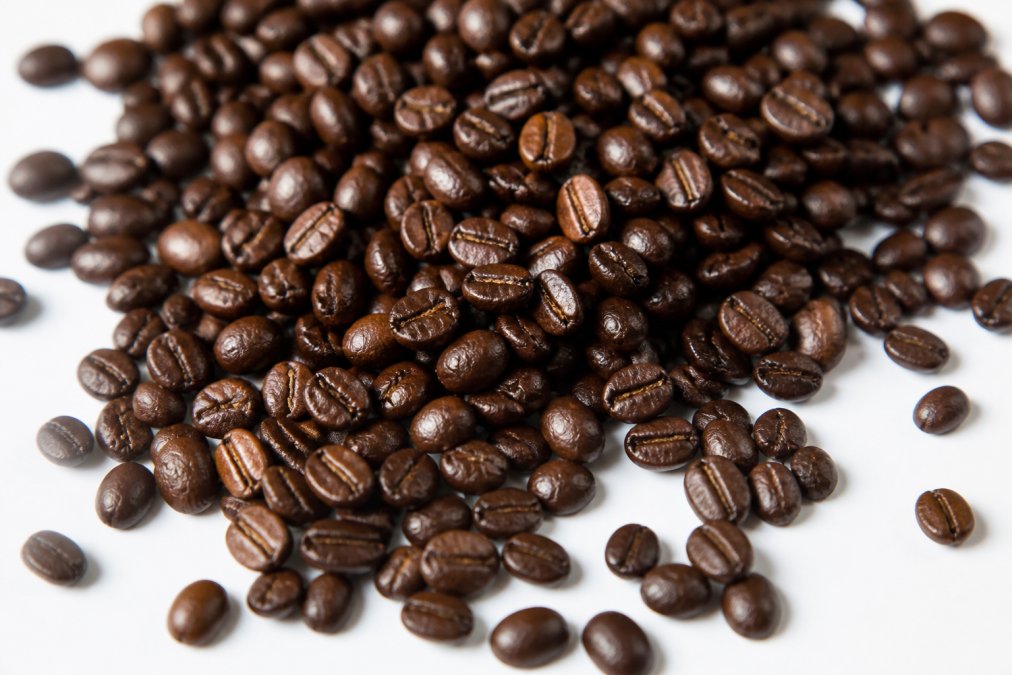
The color of properly roasted specialty beans should be consistent across the entire batch. For medium roasts, you'll see a rich brown with a subtle oil sheen. Dark roasts appear nearly black with a glossy finish. Light roasts maintain a lighter brown tone. What you should never see is a mixture of colors in the same bag, some beans darker, others lighter. This variation signals uneven roasting, which compromises flavor consistency.
The surface texture matters too. Specialty coffee beans should have a slightly oily or matte finish depending on roast level, but the surface should be smooth without visible cracks or splits.
Identifying Defects and Quakers
Defects in specialty coffee beans fall into two categories: pre-roast defects that occur during growth and processing, and post-roast defects that happen during roasting or storage.
A quaker is a bean that failed to develop properly during growth, resulting in a bean that doesn't roast evenly. When roasted, quakers remain lighter in color than normal beans and taste grassy or underdeveloped. If you spot a noticeably lighter bean in your bag, that's likely a quaker.
Other visible defects include:
- Broken or chipped beans, fragments that suggest rough handling or poor processing
- Insect damage, small holes or pitting on the bean surface
- Mold or discoloration, dark spots or unusual streaking that indicates moisture exposure
- Flat beans, beans that didn't develop properly and appear compressed
High quality specialty coffee bags contain very few visible defects. If you open a bag and immediately spot multiple damaged beans, the roaster's quality control process is questionable.
Decoding Specialty Coffee Grading Standards
The Specialty Coffee Association maintains a standardized grading system that evaluates specialty coffee beans across multiple dimensions. Understanding this system helps you recognize what makes beans specialty grade versus commercial grade.
Beans scoring 80-84.99 points qualify as specialty grade. Scores of 85+ are considered exceptional. The grading process, called cupping, evaluates aroma, flavor, aftertaste, acidity, body, balance, uniformity, and defects. Each category receives a score, and the total determines the bean's official grade.
When you purchase specialty coffee beans, look for bags that reference their cupping score or mention that they've been evaluated by specialty coffee standards. This transparency indicates the roaster stands behind the quality. Many specialty roasters include tasting notes derived from the cupping process, descriptions like "bright acidity," "chocolate undertones," or "fruity finish" reflect the actual sensory evaluation.
The presence of certification labels also signals adherence to grading standards. Labels indicating direct trade, fair trade, or organic certification mean the beans have been vetted by third-party organizations.
Origin, Altitude, and Processing Methods
Single-Origin vs. Blends
Single-origin specialty coffee beans come from a specific farm, region, or country, allowing you to experience the unique flavor profile of that terroir. The altitude where coffee grows dramatically influences the bean's density, acidity, and flavor development. Coffee grown at higher altitudes develops more slowly, resulting in denser beans with more complex flavor compounds.
Happy Pup Coffee Company sources single-origin beans like our Colombia, grown at 1300-1500 meters in Medellin with volcanic loam soil, which produces notes of dried orange, berry, and chocolate. Our Ethiopia Natural comes from the Sidama zone at 1700-1900 meters, delivering milk chocolate, fruity, and caramel characteristics.


Blends combine beans from different origins to achieve a specific flavor profile. A well-crafted blend balances acidity, body, and sweetness in ways that highlight the strengths of each component. Blends allow roasters to maintain consistency across seasons when single-origin availability fluctuates.
When evaluating specialty coffee beans, single-origin options let you taste the direct influence of altitude, soil, and climate. Blends demonstrate the roaster's skill in balancing complementary flavor profiles.
Processing Impact on Flavor Profile
The processing method, how coffee cherries are turned into beans, profoundly affects flavor. The two primary methods are washed and natural processing.
Washed process coffee has the fruit removed before drying, resulting in cleaner, brighter flavors that emphasize acidity and origin characteristics. Natural process coffee dries with the fruit intact, allowing the bean to absorb fruity and sweet flavors. Our Colombia uses fully washed processing with solar dryers, while our Ethiopia Natural employs full natural processing with hand sorting and raised bed drying.
A third method, wet-hulling (common in Sumatra), produces earthy, full-bodied beans with lower acidity. Our Sumatra uses giling basha processing, delivering syrupy body, dark chocolate, and earthy notes with a long lingering finish.

Understanding processing method helps you predict flavor profile before tasting. Washed coffees typically offer brightness and clarity. Natural process coffees deliver sweetness and fruit-forward notes. Wet-hulled coffees emphasize body and earthiness. When evaluating specialty coffee beans, the processing method is as important as the origin.
How to Store Coffee Beans for Freshness
Proper storage directly impacts how long specialty coffee beans maintain their quality. The enemies of freshness are air, light, heat, and moisture. Once you open a bag, oxygen begins to degrade the flavor compounds that make specialty coffee distinctive.
Store specialty coffee beans in an airtight container away from direct sunlight and heat sources. A cool pantry or cabinet works well, avoid windowsills, above stoves, or near appliances that generate heat. Room temperature between 60-70 degrees Fahrenheit is ideal.
Most specialty coffee bags feature a one-way valve that allows CO2 to escape during the first few weeks post-roast while preventing oxygen from entering.
Sensory Evaluation Techniques
Tasting specialty coffee beans properly requires developing your palate through intentional evaluation. The process, called cupping in the specialty coffee industry, follows a specific protocol that isolates flavor perception.
Certification Labels and Direct Trade
Certification labels on specialty coffee bags indicate the beans have met specific standards for sourcing, processing, or environmental impact. Understanding what these labels mean helps you make informed purchasing decisions.
Frequently Asked Questions
How can you tell if coffee beans are high quality just by looking at them?
High quality specialty coffee beans display uniform size, consistent color matching their roast level, and smooth surfaces free of cracks or blemishes. Look for beans that appear plump and dense. Defects like broken beans, flat beans, or quakers (unripe beans that didn't roast properly) indicate lower quality. Single-origin specialty beans often have slight color variation due to natural processing, but within that roast level, uniformity signals careful sorting and quality control.
What does 'specialty grade' actually mean for coffee beans?
Specialty grade is determined by the Specialty Coffee Association's scoring system. Beans must score 80 points or higher on a 100-point scale, evaluated for defects, moisture content, acidity, body, sweetness, and aftertaste. Specialty coffee has zero primary defects (broken or moldy beans) and up to five secondary defects per 350-gram sample. This grading standard ensures you're buying beans that meet rigorous quality benchmarks for flavor, freshness, and processing.
How does roast date affect the quality of coffee beans?
Roast date is critical because coffee begins degassing immediately after roasting and loses flavor rapidly. Beans roasted within the past two weeks deliver peak flavor and aroma. After four weeks, coffee becomes noticeably stale. The roast date on packaging tells you exactly when beans were roasted, unlike vague 'best by' labels. Fresh specialty coffee beans roasted within days of purchase will taste significantly brighter, with clearer tasting notes compared to older beans.
Are single-origin beans always higher quality than blends?
Not necessarily. Single-origin beans showcase a specific region's unique flavor profile and altitude characteristics, making them excellent for tasting distinct tasting notes. However, well-crafted blends combine beans from different origins to achieve balanced acidity, body, and sweetness that many coffee drinkers prefer. Quality depends on the beans themselves and the roaster's skill, not the blend format. Both single-origin and blended specialty coffees can be high quality if they meet grading standards and use fresh, carefully sourced beans.