


Table of Contents
- What Sets Veteran Owned Coffee Brands Apart
- The Mission Behind Veteran Entrepreneurship
- Specialty Grade Coffee Benefits You Can Taste
- How to Identify Authentic Veteran Owned Businesses
- Freshly Roasted Coffee Delivery Services Compared
- A Black Rifle Coffee Alternative Worth Trying
- The Impact of Your Purchase on Military Transition
- Frequently Asked Questions
Last Updated: September 4, 2026
Choosing coffee is rarely just about caffeine. For a growing number of Americans, the daily decision of which bag to buy has become a statement about values, quality, and the people behind the product. Veteran owned coffee brands sit at the intersection of patriotism and premium taste, offering a way to support those who served while elevating your morning routine. At Happy Pup Coffee Company, we believe this movement represents a meaningful shift toward mission-driven business, where discipline meets the art of small-batch roasting.

What Sets Veteran Owned Coffee Brands Apart
The most visible difference between a veteran owned operation and a typical commercial roaster is the culture baked into the business. Military service instills a specific mindset: attention to detail, relentless accountability, and a refusal to accept mediocrity. Those traits translate directly to the roasting room, where consistency and precision matter as much as they do in a supply chain operation.
Most veteran owned coffee brands apply this discipline to every step, from sourcing beans to the final quality check before shipping. You are not buying from a faceless corporation; you are supporting a team that treats every batch like a mission. The result is a product built on repeatable standards, not just a logo with a flag on it.
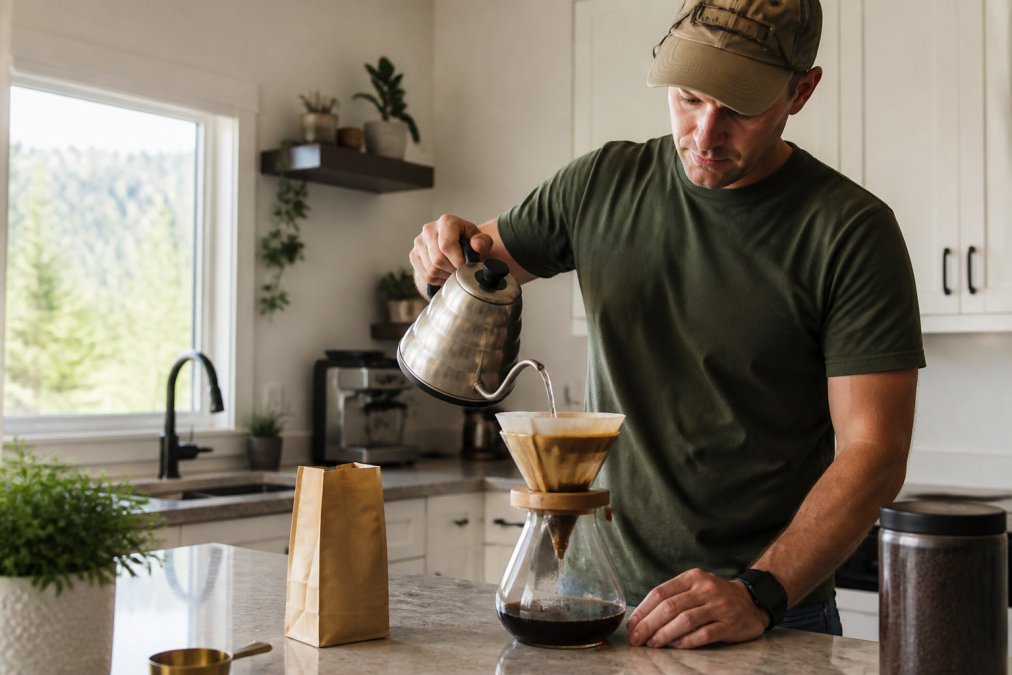
This culture of excellence directly benefits the buyer. When a company is accountable to a standard of service, the customer experience improves, and the coffee quality tends to follow. For those asking why choose veteran owned coffee brands, the answer often starts with this operational rigor.
The Mission Behind Veteran Entrepreneurship
Veteran entrepreneurship is not simply a career path; it is a continuation of service through business. After years of structured service, many veterans channel their skills into building companies that create jobs and strengthen local communities. The mission behind these ventures frequently extends beyond profit, focusing on providing stable employment for fellow veterans and reinforcing a sense of purpose.
This mission-driven approach shapes how a company operates. Decisions are made with a long-term view, prioritizing sustainable practices and ethical sourcing over short-term gains. When you support a veteran owned coffee brand, you are investing in a business model that values community support and business ethics as core pillars, not marketing afterthoughts.
The transition from military to civilian life can be challenging, and entrepreneurship offers a path to maintain structure and camaraderie. By choosing these brands, customers play a role in supporting veteran transition, helping to build a bridge between service and civilian success. It turns a simple transaction into an act of solidarity with the veteran community.
Specialty Grade Coffee Benefits You Can Taste
Patriotism alone is not a reason to drink a bad cup of coffee. Fortunately, many veteran owned brands, including our own, hold their beans to a higher standard. Specialty grade coffee is the top tier of the market, representing beans that score 80 points or higher on a 100-point scale by trained industry professionals (sca.coffee). This grading ensures the beans are free of defects and possess distinct flavor characteristics.
The benefits of choosing specialty grade beans are immediately obvious in the cup. You get a cleaner, sweeter, and more complex flavor profile compared to commodity coffee, which often tastes flat or bitter. Single-origin offerings, like a Peru medium roast with notes of salted caramel or an Ethiopian bean with hints of milk chocolate and fruit, showcase the unique terroir of their growing regions.
Choosing specialty grade also supports ethical sourcing and direct trade relationships. Roasters who buy specialty beans typically work closer with growers, paying premiums that support sustainable farming practices. The quality control extends to the roast profile, where small-batch roasting preserves the delicate flavors that mass-market commodity coffee destroys.
| Comparison | Commodity Coffee | Specialty Grade Coffee |
|---|---|---|
| Bean Quality | Often mixed, lower grade | Single-origin or premium blends |
| Flavor Profile | Flat, bitter, inconsistent | Clean, sweet, complex |
| Sourcing | Anonymous, bulk markets | Direct trade, sustainable practices |
| Roasting | High volume, shelf stable | Small-batch, roasted to order |
How to Identify Authentic Veteran Owned Businesses
The rise in popularity of veteran owned coffee has unfortunately created a market for "patriot washing," where brands slap a flag on the bag and use military jargon without any genuine veteran involvement. To ensure your purchase actually supports a veteran, you need to move beyond logos and marketing copy. Here is a practical checklist to verify authenticity.
Check for Third-Party Certification
The most reliable method is to look for certification from a recognized third-party body. The U.S. Small Business Administration (SBA) manages the Veteran Small Business Certification (VetCert) program, which replaced the previous Vets First Verification Program (sba.gov). A company with this certification has had its ownership and control documents reviewed and approved by the SBA. You can search the SBA's database to confirm a company's status directly. Another widely recognized certifier is the National Veteran-Owned Business Association (NaVOBA), which offers its own certification that requires proof of at least 51% veteran ownership.
Scrutinize the Founder's Story
A legitimate brand will be transparent about its founders. Look for specific, verifiable details on the "About Us" page or in the company's press materials. This should include the founder's name, the branch of service, the years of service, and often their rank or MOS (Military Occupational Specialty). Be wary of vague phrases like "founded by a group of veterans" without any names or service details. A genuine story is specific and can be cross-referenced with public records like LinkedIn profiles or service academy alumni lists.
Look for Concrete Community Engagement
Authentic veteran owned businesses often have a defined giving-back program. This is not just a line on their website; it is a documented partnership. Look for specifics: Which non-profit do they support? Is it a well-known organization like the Wounded Warrior Project or the Travis Manion Foundation, or a smaller, local group? Do they state a specific percentage of proceeds that goes to the cause, or do they make in-kind donations? Vague claims like "a portion of proceeds supports veterans" offer no accountability. A brand that openly discusses its supply chain, names its partner roastery (if it doesn't roast in-house), and details its sourcing relationships is more invested in genuine business ethics than one relying solely on emotional appeal.
Freshly Roasted Coffee Delivery Services Compared
The convenience of a coffee subscription should never come at the cost of a stale, flat cup. The entire value proposition of a freshly roasted delivery service hinges on understanding the science of coffee degassing and staling. Here is the technical breakdown of what separates a great service from a mediocre one, and how to evaluate the financial and practical trade-offs.
The Science of Freshness: Degassing and Staling
When coffee is roasted, it traps up to 2% of its weight in CO2 (peer-reviewed research). This gas needs to escape, or it will impart a sour, baked flavor. This is why roasters use bags with one-way valves, they let CO2 out without letting oxygen in. Oxygen is the enemy; it oxidizes the oils in the beans, leading to rancidity and a flat, cardboard-like taste. The peak flavor window for most specialty coffee is between 4 and 14 days post-roast. A service that ships beans 2-3 days after roasting gives you the full window to enjoy the coffee at its best. A service that ships beans that have been sitting in a warehouse for 3 weeks has already lost a significant portion of its aromatic compounds.
Evaluating the Subscription Value Proposition
Beyond freshness, the subscription model's value is a direct comparison of cost, flexibility, and coffee quality. A typical 12-ounce bag of specialty coffee from a direct-to-consumer veteran brand might cost between $18 and $24. Mainstream coffee club subscriptions often offer lower per-bag prices, but they frequently source commodity-grade beans and roast in massive batches for shelf stability, not flavor. The financial analysis is not just about the sticker price; it is about the cost per great cup. A $20 bag of specialty beans that yields 30 excellent cups is a better value than a $15 bag of commodity beans that yields 30 mediocre cups.
Key Differentiators to Scrutinize
When comparing services, do not just look at the price. Ask these specific questions:
- Roast-to-Ship Time: Does the company state a specific number of days between roasting and shipping? A commitment to a 48-72 hour window is a strong indicator of a freshness-focused operation.
- Roast Date on the Bag: Is the roast date printed on the bag? If not, you have no way to verify freshness. This is a non-negotiable for a serious coffee drinker.
- Subscription Flexibility: Can you easily pause, skip, or change your delivery frequency and bean selection? Rigid subscriptions that lock you in are a red flag. The best services offer a customer portal where you have full control.
- Packaging: Is the bag opaque and equipped with a one-way valve? Clear bags or bags without valves will not protect the coffee from light and oxygen.
- Bean Sourcing: Does the service offer single-origin coffees with traceable origins, or are they just blending commodity beans? The former indicates a commitment to quality and ethical sourcing.
A common mistake is assuming all "fresh" coffee is equal. Many grocery store bags have a "Best By" date that is 12-18 months out, which is meaningless. A dedicated delivery service that roasts to order, like the approach at Happy Pup Coffee Company, provides a freshness guarantee that mass-market retailers cannot match, and a subscription model that puts the control back in your hands.
A Black Rifle Coffee Alternative Worth Trying
The specialty coffee market offers several veteran owned options, but they are not all created equal. For consumers looking for a black rifle coffee alternative, the search often comes down to finding a brand that balances bold flavor with genuine quality and a transparent mission. The best alternatives are those that prioritize the bean as much as the brand story.
What most guides miss is that the alternative should not just be "another veteran brand," but one that offers distinct advantages. A strong alternative will provide a diverse collection, from single-origin favorites to flavored blends, catering to different brewing methods. It should also offer the convenience of single-serve options without locking you into a proprietary system.

For those who value both quality and the cause, the ideal alternative offers a tangible way to sample the range before committing to a full bag. This approach reduces the risk of buying a 12-ounce bag of something you might not enjoy. Supporting a smaller veteran owned operation often means more direct community support and a closer connection to the roasting process.
The Impact of Your Purchase on Military Transition
Every purchase from a veteran owned business has a direct financial impact on the lives of those who served. The revenue from coffee sales does more than cover operating costs; it funds paychecks for veteran employees and supports families navigating the post-service world. Your buying power becomes a tangible tool for easing the military transition for others.
Beyond employment, many of these businesses reinvest profits into veteran-focused initiatives. This could mean supporting non-profit partnerships that address housing, health, or career development. The social impact of your coffee habit, when directed intentionally, creates a cycle of support that extends far beyond the cup. It is a way to maintain a connection to military culture and values in daily civilian life.
The choice to buy from a veteran owned coffee brand is a vote for accountability, resilience, and quality. It challenges the notion that you must choose between convenience, cost, and conscience. By supporting brands that roast specialty grade beans and operate with military precision, you get a superior product while contributing to a cause larger than yourself.
Choosing the right coffee brand is about more than taste; it is about aligning your daily habits with your values. Supporting veteran owned coffee brands offers a way to enjoy specialty grade, freshly roasted beans while making a real difference in the lives of those who served. Happy Pup Coffee Company embodies this mission as a veteran owned and operated business, delivering specialty grade coffee and convenient single-serve capsules directly to your doorstep. Explore our diverse collection of single-origin favorites and blends, and start your day energized knowing your purchase supports a community that gave so much. Get started with Happy Pup Coffee Company and taste the difference in every cup.
Frequently Asked Questions
What makes veteran owned coffee brands different from commercial chains?
Veteran owned coffee brands are built on military values like discipline, accountability, and resilience. These principles shape everything from sourcing specialty grade beans to roasting in small batches for consistency. Many focus on transparent supply chains and direct trade relationships. Buying from a veteran owned business also directly supports the veteran community, funding transition programs and non-profit partnerships. Commercial chains may offer convenience, but they rarely match the mission-driven approach and quality control you'll find with a veteran owned roaster.
How can I verify if a coffee brand is truly veteran owned?
Look for clear statements on the company's website or About page. Many veteran owned businesses display documentation through organizations like the U.S. Small Business Administration's Veteran Business Outreach Centers. Check for a founder's bio that includes their military service history. You can also search the National Veteran-Owned Business Association or similar registries. Be wary of brands that only mention veterans in marketing materials without providing verifiable details about ownership or leadership. Authentic veteran entrepreneurship is usually transparent about its roots.
Are veteran owned coffee brands typically higher quality?
Quality varies by brand, but many veteran owned roasters prioritize specialty grade coffee over commodity coffee. Specialty grade beans score 80 or higher on the 100-point scale and are grown at higher altitudes, producing cleaner, more complex flavors. Veteran owned brands often roast in small batches to maintain roast consistency and freshness. The emphasis on discipline and quality control, skills honed in the military, translates directly into meticulous roasting and sourcing practices. This focus on standards makes many veteran owned brands a reliable choice for quality-focused drinkers.
What is the best black rifle coffee alternative for specialty roasts?
If you are looking for a black rifle coffee alternative that prioritizes specialty grade beans and ethical sourcing, explore smaller veteran owned roasters. These companies often offer single-origin coffees with distinct tasting profiles, like fruity Ethiopian beans or chocolatey Brazilian lots. They typically roast to order, ensuring freshness that large-scale operations cannot match. Many also provide flexible coffee subscription models, making it easy to try different roasts. Seek out brands that publish details about their growers, roasting technology, and supply chain transparency.
This article was written using GrandRanker