


Table of Contents
- Does Fresh Roasted Coffee Improve Focus?
- How Fresh Roasted Coffee Compounds Support Mental Clarity
- How to Store Coffee Beans for Maximum Freshness
- Signs of Stale Coffee Beans (and Why They Kill Your Focus)
- The Crash Mitigation Strategy: Timing Your Cups for Sustained Energy
- Choosing the Right Roast for Focus
- Conclusion: Freshness Is the Variable You Can Control
- Frequently Asked Questions
Last Updated: October 2, 2026
Does Fresh Roasted Coffee Improve Focus?
Fresh roasted coffee can sharpen focus, but not just because of caffeine. Hundreds of aromatic compounds also matter, and they fade the moment beans leave the roaster. At Happy Pup Coffee Company, we roast to order because that window closes fast.
The short answer: fresh roasted coffee is coffee brewed within roughly two to four weeks of its roast date, before oxidation and stale oils blunt both flavor and the aroma-driven lift that supports alertness. Caffeine barely changes with age; everything around it does.
Here is the part most guides skip. Caffeine blocks adenosine, a molecule that builds up through the day and makes you sleepy. That part is well documented by the National Center for Biotechnology Information overview of caffeine pharmacology. But the sensory experience of a fresh cup, the smell alone, contributes to how alert you actually feel.
Caffeine and Cognitive Performance: What the Research Shows
Caffeine is the most studied psychoactive substance in the food supply, and its effects on alertness are consistent across the literature. The FDA guidance on caffeine and how much is too much notes that most adults can consume up to 400 milligrams daily without negative effects.
What caffeine reliably does:
- Increases alertness and reduces perceived fatigue
- Improves reaction time and sustained attention
- Supports short-term mental focus during demanding tasks
What it does not do: make you smarter, improve complex reasoning, or replace sleep. A tired brain on caffeine is still a tired brain, just a more cooperative one.
Adenosine Receptors and Alertness
Adenosine accumulates while you are awake, binding to receptors and producing tiredness. Caffeine occupies those same receptors without activating them: you do not gain energy, you postpone the signal that says you need rest.
Why Individual Metabolism Changes Everything
Two people can drink identical cups and feel completely different. Genetics, liver enzyme activity, medications, and hormonal cycles shift how quickly the body clears caffeine. Copying someone else's coffee schedule rarely works.
How Fresh Roasted Coffee Compounds Support Mental Clarity
Freshness affects coffee's sensory profile far more than its caffeine load. Volatile aromatic compounds, the molecules behind that roasted smell, peak shortly after roasting and decline with exposure to oxygen, light, and moisture.
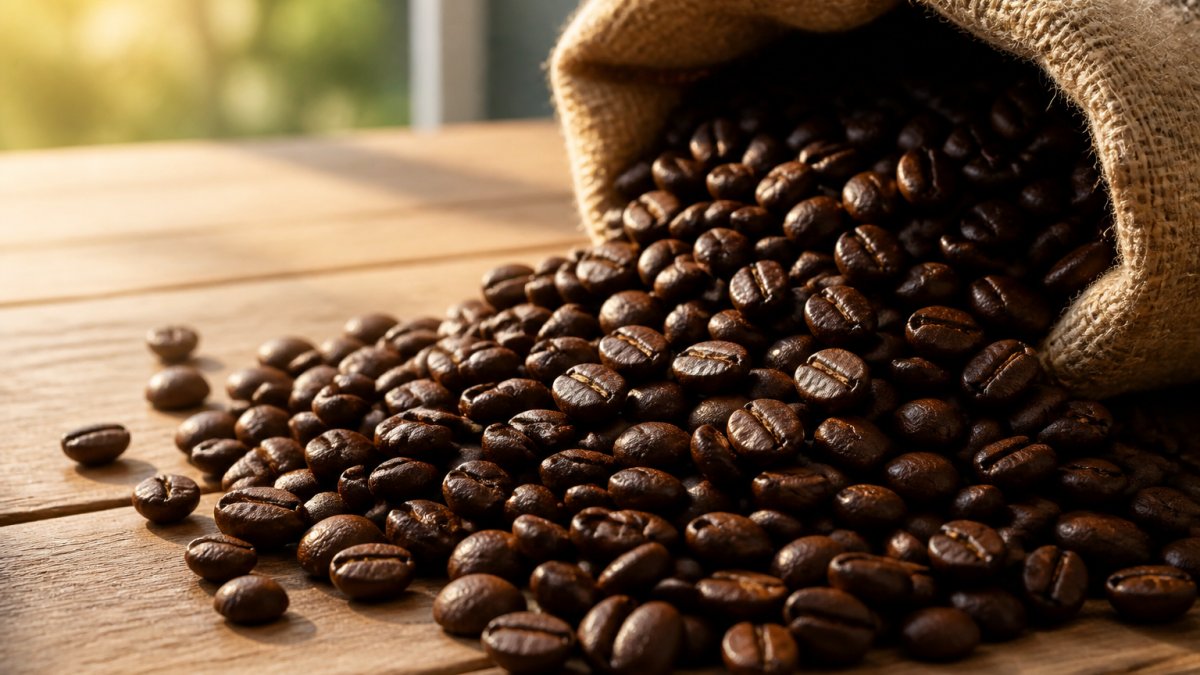
That is why fresh roasted coffee can support focus in a way stale coffee cannot, even at an identical caffeine dose.
What Actually Happens During Roasting
Green coffee has almost no smell. The aroma you recognize is created in the roaster through two reactions:
- Maillard reactions, amino acids and reducing sugars react under heat to form brown pigments and hundreds of aroma-active compounds, including the furans and pyrazines responsible for toasted, nutty, and earthy notes.
- Strecker degradation, a subset of the Maillard pathway that produces aldehydes and ketones, the molecules behind chocolate, malty, and floral notes.
Roasters track these reactions with a roast curve, logging bean temperature against time. The drop point, when beans leave the drum, determines which volatile compounds survive. A roast pulled 30 seconds late can lose fragile aromatics, which is why two bags with the same origin and roast level can smell completely different.
The Specific Compounds Behind the Lift
A few compound families do most of the work:
- 2-Furfurylthiol, the dominant coffee aroma compound, responsible for the roasted, fresh-brewed character. It is extremely volatile and degrades quickly with oxygen exposure, which is why stale coffee smells flat rather than simply weaker.
- Pyrazines, nutty, earthy, roasted notes. They form late in the roast and are relatively stable, which is why old coffee can still smell vaguely like coffee even when the top notes are gone.
- Aldehydes and ketones, fruity, floral, and caramel notes that give a fresh light roast its brightness. These are the first to fade.
- Limonene and other terpenes, citrus-adjacent volatiles that contribute to the perceived 'brightness' of a fresh cup.
How Aroma Reaches the Brain
Smell is the only sense with a direct line to the limbic system.
That shortcut is why a scent can snap you into a memory or mood before you identify it, and why the aroma of a fresh pour-over can shift alertness before the first sip.
Fresh coffee delivers two inputs: caffeine blocking adenosine, and volatile compounds triggering arousal pathways. Stale coffee delivers only the first.
Why Grinding Is the Biggest Freshness Decision
Whole beans expose a small fraction of their surface area to air; ground coffee exposes almost all of it.
Many home brewers buy fresh, store well, then grind the night before to save morning time. That habit undoes most of the freshness advantage; grinding immediately before brewing preserves the volatile profile that makes fresh coffee worth seeking out.
What Freshness Cannot Fix
Freshness is a multiplier on quality, not a substitute. A fresh cup of poorly grown coffee will not outperform a well-made cup of good coffee a few weeks older.
The practical takeaway: between a fresh bag of commodity coffee and a slightly older specialty-grade bag, the specialty bag is usually the better focus investment.
How to Store Coffee Beans for Maximum Freshness
Storing coffee well comes down to four enemies: oxygen, light, heat, and moisture. Defeat all four and your beans hold their character for weeks instead of days.
The practical routine:
- Keep beans whole until brew time. Grind immediately before brewing.
- Use an opaque, airtight container. A one-way valve bag works well if you reseal it properly.
- Store at room temperature, away from the stove. The refrigerator introduces moisture and odors.
- Buy in quantities you will finish. A two-week supply beats a two-month stockpile.
- Label the roast date. If the bag does not have one, that tells you something.
Freezing works long-term only if you portion first and never thaw and refreeze; every temperature swing pulls condensation onto the beans.
Signs of Stale Coffee Beans (and Why They Kill Your Focus)
Stale coffee announces itself before you brew it. The Specialty Coffee Association's guidance on coffee freshness and storage treats freshness as a core quality variable, and the sensory cues are consistent.
Watch for these signals:
- No smell when you open the bag. Fresh beans release aroma immediately.
- Oily, shiny surface on dark roasts. Some oil is normal, but heavy sheen on old beans signals oxidation.
- Flat or papery taste. The sweetness and acidity have faded.
- Fast, uneven extraction. Old beans pull differently, often running through too quickly.
- A dull, muted cup. You drink it and feel nothing.
Why does this matter for focus? A stale cup gives you caffeine without the sensory engagement that makes coffee a ritual worth having. The stimulant arrives, but the aroma, anticipation, and small pleasure that support attentiveness do not.
The Crash Mitigation Strategy: Timing Your Cups for Sustained Energy
The afternoon crash is usually a scheduling problem, and the fix requires understanding how caffeine clears your system.
Most people front-load caffeine, drinking two or three cups before 10 a.m., then wonder why 2 p.m. feels like a wall. A better pattern spreads intake, pairs it with the body's rhythms, and accounts for individual processing speed.
The Half-Life Math Behind the Crash
Caffeine has a half-life of roughly five hours in the average adult. A 100-milligram cup at 8 a.m. leaves about 50 milligrams at 1 p.m., 25 milligrams at 6 p.m., and a residual amount at bedtime. A second cup at 2 p.m. stacks on top rather than replacing it.
Why Timing Beats Dosage
The practical protocol:
- First cup 60 to 90 minutes after waking. Cortisol peaks in the first hour after waking and naturally supports alertness. Caffeine added during that window adds little and may blunt your body's own wake-up signal.
- Second cup early afternoon, smaller than the first. Half a cup often does more than a full one because it tops up rather than stacks.
- Stop caffeine six to eight hours before bed. For a 10 p.m. bedtime, that means a hard cutoff around 2 to 4 p.m. Adjust based on how you personally respond.
- Drink water between cups. Mild dehydration mimics fatigue and muddies the signal from caffeine.
The goal is a steadier curve, not a spike followed by a cliff. Fresh coffee helps because a cup you enjoy is easier to sip slowly instead of gulp.
The Genetics Variable Most Guides Ignore
Two people can drink identical cups on identical schedules and feel completely different, largely due to a liver enzyme called CYP1A2.
CYP1A2 breaks down most of the caffeine in your body, and gene variations change how quickly it works. Fast metabolizers clear caffeine in roughly half the time of slow metabolizers: a 3 p.m. cup may be fully cleared by 8 p.m. for one person and still active at midnight for another.
Other factors shift clearance speed too:
- Oral contraceptives and pregnancy can slow caffeine clearance substantially.
- Certain medications, including some antibiotics and antidepressants, interact with CYP1A2.
- Smoking accelerates clearance; quitting can effectively double how long caffeine stays in your system.
- Liver health affects enzyme activity across the board.
How to Find Your Own Protocol
Rather than copying a generic recommendation, track how you feel across a week. Note each cup's time and size, plus how you feel at 10 a.m., 2 p.m., and 9 p.m.
A slow metabolizer might start with a single morning cup and no afternoon caffeine; a fast metabolizer may do well with a morning cup and a small early-afternoon top-up.
What Fresh Coffee Adds to the Equation
Fresh coffee does not change caffeine clearance, the half-life math is the same whether beans were roasted last week or last year. What it changes is how you drink it. A cup with a full volatile profile is more satisfying to sip slowly, which spreads intake and reduces the gulping that produces spikes.
Choosing the Right Roast for Focus
Roast level changes flavor and body far more than caffeine. Dark roasts are assumed to hit harder, but by weight the difference is small and often runs the opposite direction once you account for how beans are measured.
What roast level really affects is how you drink it. A medium roast carries more acidity and nuance, suiting slow sipping. A darker roast brings heavier body and lower acidity, which many find easier on the stomach.
For focus, the practical question is which cup you will actually finish and enjoy. If you want a higher-caffeine option without guessing at strength, our Max Caf Blend combines Tanzania and India Robusta for a bolder lift, while the Breakfast Blend + pairs a medium roast with added Robusta for extra caffeine. Both ship fresh, which matters more than the roast label on the front of the bag.


| Goal | Roast to Try | Why It Fits |
|---|---|---|
| Steady all-day sipping | Medium Breakfast Blend | Balanced acidity, easy to drink slowly |
| Stronger morning lift | Max Caf Blend | Robusta-forward, higher caffeine |
| Extra caffeine, medium roast | Breakfast Blend + | Familiar flavor with a boost |
| Lighter, sweeter cup | Light South American blend | Walnut and toffee notes, mild body |
Conclusion: Freshness Is the Variable You Can Control
You cannot change your genetics or rewire your adenosine receptors. You can control what is in your cupboard.
Happy Pup Coffee Company roasts to order and ships direct, so beans arrive closer to their peak than anything on a grocery shelf. As a veteran-owned and operated business, we built our lineup around specialty-grade beans, from single-origin favorites to single-serve capsules for the office.
Start your day energized and end it in pure relaxation. Shop all coffee and taste what freshness actually does for your focus.
Frequently Asked Questions
Does fresh roasted coffee provide more focus than stale coffee?
Fresh roasted coffee retains higher levels of volatile aromatic compounds that contribute to alertness and sensory stimulation. Once beans are exposed to oxygen and moisture, those compounds degrade and the coffee tastes flat. While caffeine content remains relatively stable over time, the overall sensory experience and the ritual of brewing fresh coffee can sharpen attentiveness. Choosing freshly roasted beans gives you both the caffeine and the aroma-driven alertness that stale coffee cannot deliver.
How does caffeine intake affect cognitive performance and attention?
Caffeine blocks adenosine receptors in the brain, which reduces the feeling of drowsiness and increases alertness. Research shows moderate doses (roughly 75 to 200 mg) can improve reaction time, mental focus, and sustained attention. However, individual metabolism plays a large role. Some people clear caffeine quickly and feel sharp within 20 minutes; others feel jittery or unfocused. Pairing caffeine with fresh roasted coffee that you enjoy drinking makes it easier to moderate your intake and avoid overconsumption.
What are the signs of stale coffee beans?
Stale beans lose their aroma first. If you open a bag and smell very little, that is a warning sign. Other indicators include a flat or cardboard-like taste, dull surface appearance with no visible oils on darker roasts, and beans that feel lightweight or brittle. Coffee past its peak also produces thin, weak crema in espresso. Buying from a roaster that ships within days of roasting, like Happy Pup Coffee Company, helps you avoid stale beans entirely.
What is the 2-hour coffee rule for optimal focus?
The 2-hour coffee rule suggests waiting at least 60 to 90 minutes after waking before your first cup, then spacing subsequent cups roughly two hours apart. This approach works with your body's natural cortisol rhythm, which peaks shortly after waking. Drinking coffee during that peak reduces caffeine's effectiveness and builds tolerance faster. Spacing cups also smooths out energy levels and reduces the crash that follows a rapid caffeine spike.