


Table of Contents
- What Is Specialty Grade Coffee
- The 100-Point SCA Coffee Grading Standards
- Specialty Coffee vs Commercial Coffee
- Single-Origin and Traceability in Specialty Coffee
- How to Buy Specialty Coffee Beans Online
- The Third Wave Coffee Movement and Why It Matters
- Common Myths About Specialty Grade Coffee
- Conclusion
Last Updated: August 29, 2026
What Is Specialty Grade Coffee
Specialty grade coffee scores 80 points or higher on the 100-point Specialty Coffee Association grading scale, representing the top tier of coffee quality through exceptional flavor complexity, careful sourcing, and meticulous processing. Unlike commercial coffee, which prioritizes volume and consistency, specialty grade emphasizes origin characteristics, traceability, and sensory excellence.
At Happy Pup Coffee Company, we source and roast exclusively specialty grade beans. The difference is immediate: specialty coffee delivers distinct flavor notes, dried orange, berry, chocolate, or floral hints, rather than the flat, bitter profile of mass-market alternatives. This complexity comes from where the beans grow, how they're processed, and how carefully they're roasted to preserve natural characteristics.
The specialty coffee movement emerged in the 1970s but gained momentum in the 2000s as the "third wave" of coffee culture (peer-reviewed research). The first wave brought convenience (instant coffee). The second wave introduced espresso culture and chains. The third wave treats coffee like wine or craft beer, focusing on provenance, processing methods, and roaster skill.
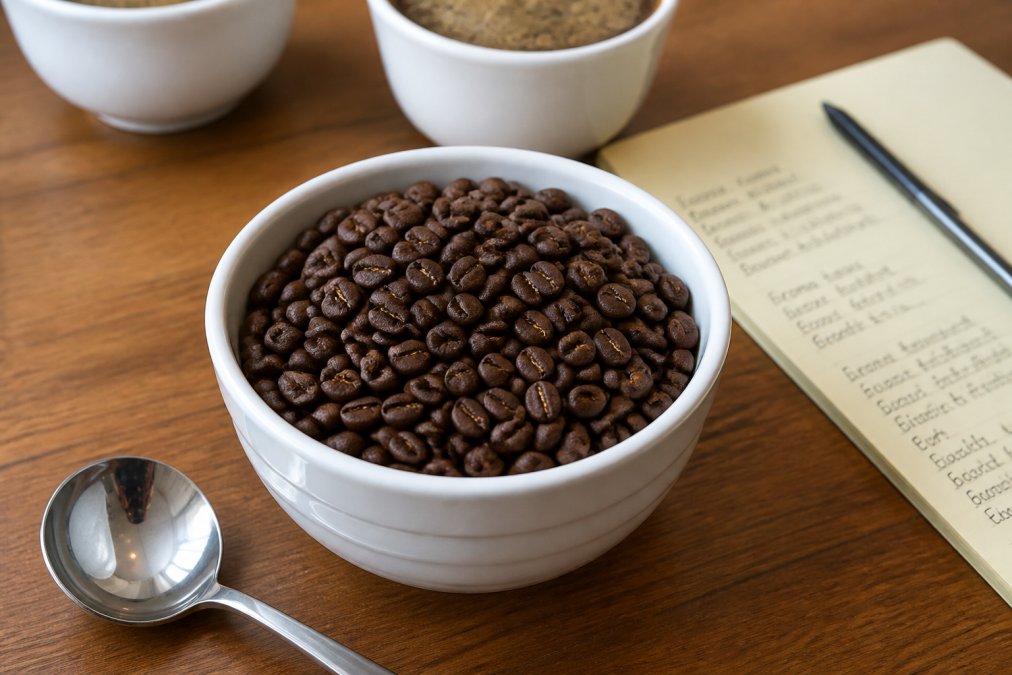
Specialty coffee evaluation goes beyond commodity grading, which counts only defects. A Q-Grader (certified coffee quality expert) conducts formal sensory analysis called cupping, evaluating aroma, flavor, aftertaste, acidity, body, and balance on a detailed scale.
The 100-Point SCA Coffee Grading Standards
The Specialty Coffee Association's 100-point scale is the industry standard for evaluating specialty coffee. Coffee scoring 80-84.99 points qualifies as specialty grade; scores above 85 are exceptional; anything below 80 falls into the commercial category. The system evaluates two domains: physical evaluation (examining green beans for defects, density, and moisture) and sensory evaluation (assessing how the coffee tastes, smells, and feels after roasting).
How Q-Graders Score Coffee
A Q-Grader is a certified coffee professional trained by the Specialty Coffee Association to evaluate coffee using standardized protocols. Q-Graders undergo rigorous training in sensory analysis, coffee chemistry, and grading standards, ensuring consistency across different origins and roasters.
The Q-Grader cupping protocol follows precise methodology: brewing coffee at a specific ratio (1:18 coffee to water), cooling to exact temperatures, then tasting multiple times while evaluating aroma, flavor, aftertaste, acidity, body, balance, uniformity, and clean cup. Each attribute receives a score. Defects, off-flavors caused by processing problems, fermentation, or contamination, lower the score significantly. This standardization means a specialty coffee from Ethiopia scored in California should perform similarly to one scored in Europe.
Physical vs. Sensory Evaluation
Physical evaluation examines green beans before roasting for size uniformity, density, moisture content (typically 11-12%), and defects (sca.coffee). A single primary defect can drop coffee from specialty to commercial grade, ensuring only structurally sound beans proceed to roasting.
Sensory evaluation happens after roasting and assesses flavor notes, acidity (brightness and liveliness), body (mouthfeel and weight), balance, sweetness, and aftertaste. These depend heavily on origin, altitude, and processing method. High-altitude coffee typically develops more acidity and complexity. Washed process (fruit removed before drying) produces cleaner, brighter flavors. Natural process (fruit dries on the bean) creates fruitier, fuller-bodied profiles. Honey process (some fruit pulp remains during drying) falls between the two.
Beyond the Score: Sustainability and Social Standards
While the 80-point threshold defines specialty grade, the industry increasingly recognizes that environmental and social metrics beyond the SCA scorecard directly affect quality and ethics. Fair trade certification ensures farmers receive a minimum price floor (currently around $1.40 per pound for Arabica) plus premiums for certified organic or sustainable practices, allowing investment in quality improvements (fairtrade.net).
Certifications like Rainforest Alliance and UTZ focus on environmental stewardship: water conservation, soil health, biodiversity protection, and reduced pesticide use. These practices often correlate with higher-quality coffee because healthy soil produces more complex, balanced beans. Direct trade, where roasters buy directly from farms at negotiated prices (often 20-40% above fair trade minimums), creates transparency and accountability.
When evaluating specialty coffee, look beyond the score. Ask whether the roaster publishes information about farm practices, certifications, and farmer relationships. Specialty coffee that scores 82 points from a certified organic, fair trade farm may represent better value and impact than an 85-point coffee from an unknown source.
Specialty Coffee vs Commercial Coffee
The gap between specialty and commercial coffee is substantial. Commercial coffee prioritizes yield and shelf stability over flavor, often blending multiple origins including lower-grade or defective beans with dark, uniform roasts designed to mask inconsistencies.
Specialty coffee is the opposite. Single-origin coffees highlight unique regional characteristics. Roasts are tailored to each coffee's natural properties. Our Ethiopia Natural at Happy Pup Coffee Company, for example, is roasted medium-light to preserve fruity, caramel notes; a darker roast would bury those qualities.
Traceability differs starkly. Commercial coffee might identify only the country of origin. Specialty coffee often specifies the farm, altitude, processing method, and harvest date, enabling roasters to build direct relationships with growers and pay premium prices supporting sustainable farming.
Single-Origin and Traceability in Specialty Coffee
Single-origin coffee comes from one specific geographic region, farm, or lot, showcasing the terroir, environmental factors that shape flavor, of its location. Traceability is fundamental to specialty coffee. Our Colombia comes from smallholder farmers in Medellin, grown at 1,300-1,500 meters altitude in volcanic loam soil, with fully washed process and solar drying methods documented.

Direct trade relationships have become increasingly common, with roasters working directly with farms rather than through multiple middlemen. This arrangement typically means higher prices for farmers, more consistent quality, and stronger relationships encouraging sustainable practices. Happy Pup Coffee Company prioritizes these connections, ensuring specialty coffees support the growers who produce them.
How to Buy Specialty Coffee Beans Online
Start by checking the roast date, not the expiration date. Specialty coffee is freshest 2-4 weeks after roasting. If a bag doesn't list a roast date, it's likely not specialty grade.
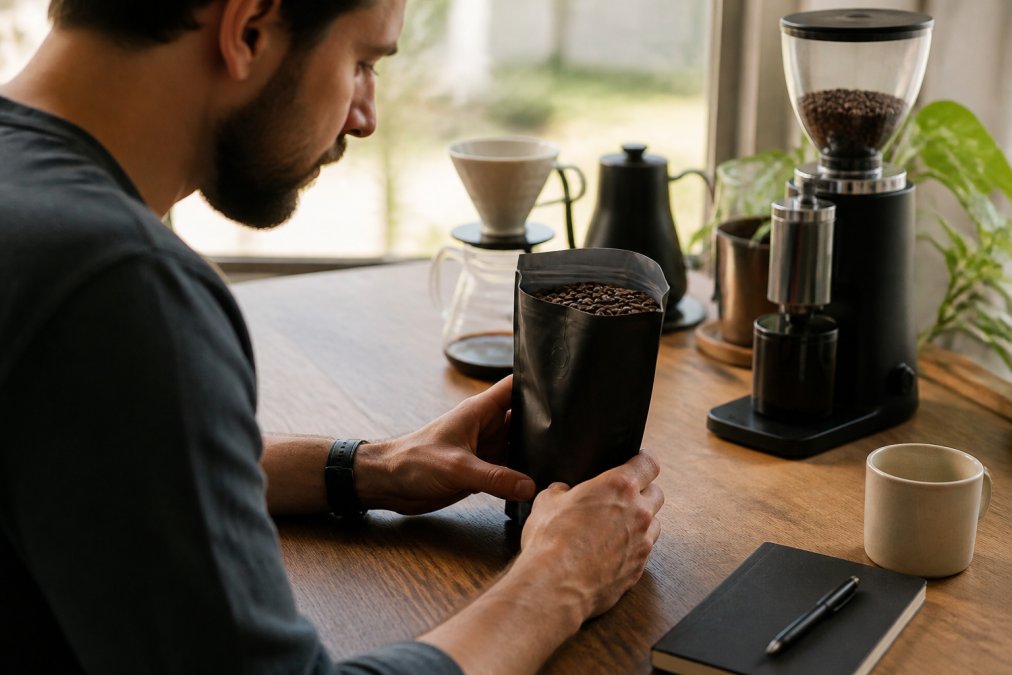
Look for these label details: origin (country, region, farm if possible), altitude, processing method, roast date, and tasting notes. Specialty roasters provide this information because it matters. Altitude indicates the coffee likely developed good acidity and complexity. Processing method signals the flavor profile. Tasting notes provide a roadmap for what to notice when brewing.
Brewing Equipment: The Bridge Between Bean and Cup
Specialty coffee demands proper brewing equipment because the beans' complexity can be lost through poor extraction. Extraction refers to how much of the coffee's soluble compounds dissolve into water; too little creates sour, thin coffee, and too much creates bitter, over-extracted coffee.
Grinder type matters most. A burr grinder (conical or flat burr) grinds beans to consistent size, essential for even extraction. A blade grinder chops beans unevenly, creating a mix of fine powder and large chunks that extract at different rates. For specialty coffee, a burr grinder is non-negotiable.
Grind size must match your brewing method:
- Pour-over (Chemex, Hario V60, Melitta): medium-fine grind, 2-4 minute brew time. Paper filters trap oils and fine particles, producing clean, bright cups highlighting acidity and origin characteristics.
- French press: coarse grind, 4-minute steep. Metal mesh filter allows oils through, creating fuller body and richer mouthfeel.
- AeroPress: medium grind, 1-2 minute brew time. This hybrid method produces clean cups with good body, ideal for exploring single-origin complexity.
- Espresso: very fine grind, 25-30 second extraction. Quality espresso machines cost $200+, producing concentrated, intense shots showcasing specialty coffee's depth.
- Automatic drip: medium grind, though results vary widely depending on machine quality.
If new to specialty coffee, start with a pour-over or AeroPress. Both are affordable ($15-$40), produce excellent results, and give direct control over brewing variables.
Water Temperature and Technique
Water temperature dramatically affects extraction. Specialty coffee should be brewed with water between 195-205°F. Water that's too hot over-extracts and creates bitter, harsh flavors; water that's too cool under-extracts and tastes sour and thin. A simple kitchen thermometer or electric kettle with temperature control ($25-$50) ensures proper range.
Brew ratio also matters. The standard is 1:16 coffee to water by weight (for example, 25 grams of coffee to 400 grams of water). This ratio produces balanced cups for most brewing methods.
Storage and Freshness
Keep specialty coffee in an airtight container away from light, heat, and moisture. Whole beans stay fresh longer than ground coffee. Once ground, coffee begins losing volatile compounds that carry flavor. Grind just before brewing for best results.
Buy smaller bags (8-12 ounces) more frequently rather than large bags that sit around. Specialty coffee peaks in flavor 2-4 weeks after roasting, then gradually loses complexity.
Where to Buy
Specialty roasters ship freshly roasted coffee directly to your door, guaranteeing freshness that retail bags can't match. Look for roasters that list roast dates, provide detailed origin information, and explain sourcing practices.
Happy Pup Coffee Company ships freshly roasted specialty coffee directly to your door. Our Kenya single-origin offers bright acidity with orange and lemon notes and brews beautifully in a pour-over. Our blends, like the French Roast, combine specialty-grade beans from Central America for depth and balance, performing well in French press or espresso. We've roasted your coffee to order and included brewing guidance on every bag.

The Third Wave Coffee Movement and Why It Matters
The third wave of coffee culture fundamentally changed how people think about coffee. The first wave brought access and convenience through instant coffee. The second wave, driven by Starbucks and espresso culture, made coffee a social experience. The third wave treats coffee as a craft, emphasizing the entire supply chain: the farmer, processor, exporter, importer, roaster, and ultimately the person brewing at home.
Third wave coffee shops often look minimal and feel like laboratories. Baristas are extensively trained. Single-origin coffees are brewed with precision. The focus is on tasting the coffee itself, not masking it with milk and sugar. This movement legitimized the idea that coffee quality matters and that people will pay more for better beans.
This shift has real consequences. Farmers in specialty coffee regions earn significantly more than commodity growers. Coffee-producing countries benefit from higher-value exports. Consumers develop deeper appreciation for the complexity and craftsmanship involved in producing great coffee. The third wave also pushed sustainability and fair trade practices into the mainstream.
Common Myths About Specialty Grade Coffee
Many believe specialty coffee must be expensive. While specialty-grade beans cost more than commercial coffee, the difference is smaller than assumed. You're paying for quality, not luxury branding.
Another myth is that specialty coffee requires expensive equipment. A quality grinder and brewing method improve results, but you don't need an espresso machine or pour-over setup. A simple French press can produce excellent coffee from specialty beans. The beans matter more than the equipment.
Some think specialty coffee is too acidic or bitter. This misunderstanding usually stems from over-extracted or stale coffee. Specialty coffee, when brewed properly and fresh, is balanced and complex. Acidity in specialty coffee means brightness and liveliness, not sourness.
There's confusion about "single-origin" meaning the coffee is pure or unadulterated. Single-origin simply means it comes from one geographic area; it can still be a blend of multiple farms or lots within that region.
Finally, many believe all specialty coffee tastes the same or that specialty roasters sell marketing hype. Ethiopian coffee tastes nothing like Colombian coffee. Kenyan coffee differs from Central American coffee. These differences are real, measurable, and worth exploring.
Specialty grade coffee represents a commitment to quality that transforms your daily routine. Understanding the 100-point SCA standards, the role of Q-Graders, and the importance of traceability helps you make informed choices about what you brew. Happy Pup Coffee Company sources only specialty-grade beans, carefully roasting each origin to highlight its natural characteristics. Our Italian Roast delivers the depth of a dark roast while maintaining the complexity of specialty-grade Arabica and Robusta. Start with a single-origin coffee to experience the difference specialty grade makes, then explore blends that showcase how skilled roasting brings out the best in each bean. Your morning cup deserves that level of care.

Frequently Asked Questions
Q: What is the difference between regular coffee and specialty grade coffee?
A: Regular or commercial coffee is mass-produced from commodity-grade beans that score below 80 points on the SCA scale. Specialty grade coffee scores 80 points or higher and comes from specific origins with documented traceability, careful harvesting, and precise processing. Specialty coffee emphasizes flavor complexity, origin characteristics, and consistent quality, while commercial coffee prioritizes volume and cost. The beans themselves are often higher-altitude, single-origin varieties grown by smallholder farmers using sustainable methods.
Q: How is coffee graded by the Specialty Coffee Association?
A: The SCA uses a 100-point scale that combines physical evaluation and sensory analysis. Q-Graders, certified professionals, evaluate green (unroasted) coffee for defect count, bean density, moisture content, and uniformity. After roasting, they perform cupping, assessing aroma, flavor, acidity, body, balance, sweetness, clean cup, and aftertaste. A score of 80 or above qualifies as specialty grade. Scores below 80 are considered commercial grade. The evaluation process is standardized to ensure consistency across origins and producers.
Q: What criteria must coffee meet to be considered specialty grade?
A: Specialty grade coffee must score 80 points or higher on the SCA 100-point scale. It must have zero defects in the green bean evaluation, proper moisture content (typically 10-12%), and uniform bean size and density. The roasted cup must demonstrate clean flavor, balanced acidity and body, distinctive origin characteristics, and no off-flavors. Traceability is essential, producers must document the farm, region, altitude, processing method, and variety. Many specialty coffees also emphasize sustainability and fair trade practices, though these are not required for the SCA grade.
Q: Can I buy specialty grade coffee online, and what should I look for?
A: Yes. When buying specialty coffee beans online, look for bags that list the farm or region, altitude, harvest date, roast date, processing method (washed, natural, honey), and tasting notes. Reputable specialty roasters provide traceability details and often source directly from small-scale producers. Check for a roast date within the last 2-4 weeks, freshness matters for flavor. Verify the roaster's credentials or certifications. Specialty roasters often offer single-origin options and describe the sensory profile in detail. Avoid bags with vague origins or no roast date information.
Q: Is specialty grade coffee healthier than commercial coffee?
A: Specialty and commercial coffee contain similar caffeine and antioxidants. The health difference is minimal at the chemical level. However, specialty coffee is often grown at higher altitudes using sustainable farming practices with fewer pesticides, and it's processed with more care to preserve quality. The real advantage is flavor and satisfaction, specialty coffee's complexity and origin character may encourage slower, more mindful consumption. If you're seeking health benefits, both types provide them; specialty coffee's edge is quality of experience rather than nutritional superiority.
Q: What is the highest grade of coffee?
A: The highest grade on the SCA scale is 90-100 points, often called 'exceptional' or 'outstanding' specialty coffee. Coffees scoring 85-89 are considered 'excellent,' and 80-84 are 'very good.' Scores above 90 are rare and typically come from rare origins, exceptional harvests, or award-winning microlots. These ultra-premium coffees command higher prices due to scarcity and proven quality. Most specialty-grade coffee falls in the 80-87 range and still offers excellent flavor and traceability compared to commercial alternatives.
Q: What does 'single-origin' mean, and why does it matter for specialty coffee?
A: Single-origin coffee comes from a specific farm, region, or country rather than a blend of multiple origins. This traceability is central to specialty coffee because it allows producers and roasters to highlight the unique flavor characteristics shaped by altitude, soil, climate, and processing method. Single-origin coffees showcase terroir, the environmental factors that influence taste. Blends combine beans from different origins to create balanced, consistent flavor profiles. For specialty coffee, single-origin emphasizes origin character and quality; for commercial coffee, blending is used to mask inconsistency and reduce cost.
This article was written using GrandRanker