


Table of Contents
- Why Single Serve Coffee Capsules Are Difficult to Recycle
- How to Recycle K-Cups and Other Coffee Pods
- Nespresso Recycling Program and Other Brand-Specific Options
- Compostable Coffee Pods: A Sustainable Alternative
- The Environmental Impact of Single-Serve Coffee Waste
- Reusable Filters: Cost-Benefit Analysis vs. Disposable Capsules
- Common Mistakes When Recycling Coffee Pods
- Conclusion
Last Updated: August 27, 2026
Why Single Serve Coffee Capsules Are Difficult to Recycle
Single serve coffee capsules are notoriously challenging to recycle because they combine multiple materials, aluminum or plastic shells, filters, and coffee grounds, sealed together in ways that standard municipal recycling equipment cannot separate efficiently.

The core problem is that coffee pods are engineered composites designed for durability and freshness, not recyclability. When pods reach sorting facilities, machinery struggles to break apart the bonded materials without contaminating waste streams. Coffee grounds further complicate matters by contaminating plastic and aluminum recycling streams, reducing recovered material quality.
According to the EPA's guidance on single-use product waste, many single-serve products create sorting challenges because they weren't designed with material recovery in mind. Most curbside collection programs explicitly reject coffee pods. When contaminated pods slip through to sorting facilities, they jam equipment or require manual removal, adding labor costs and often ending up in landfills anyway.
How to Recycle K-Cups and Other Coffee Pods
If you're committed to recycling single serve coffee capsules responsibly, the process requires deliberate action beyond curbside collection.

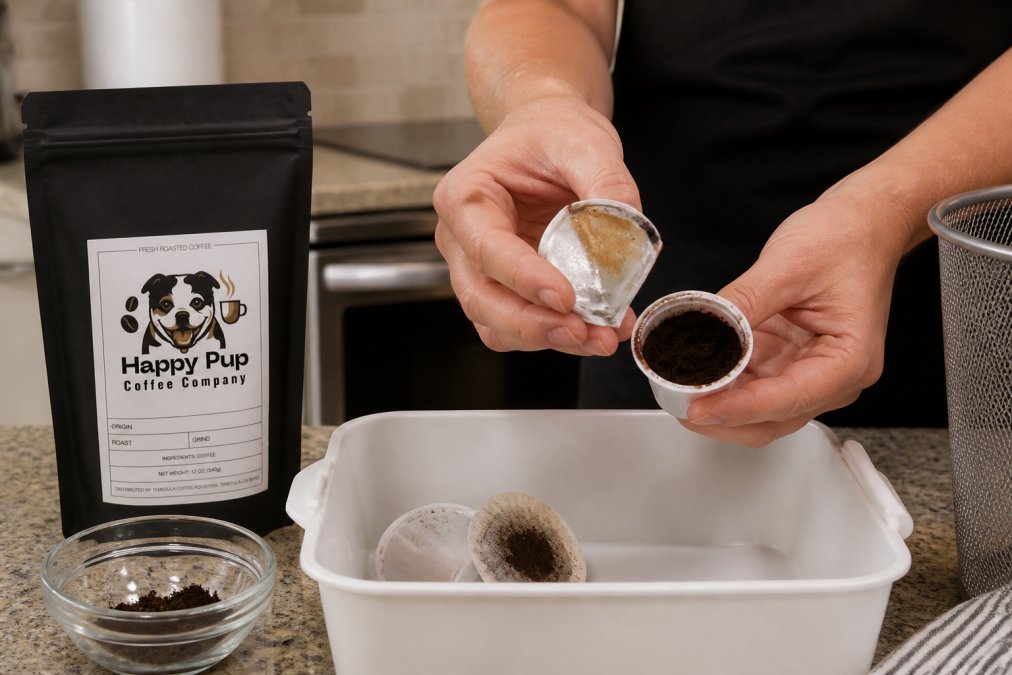
Step 1: Separate the Components
Most coffee capsules consist of three parts: the outer shell (aluminum or plastic), the filter paper or mesh, and spent coffee grounds.
Carefully cut the pod along the top edge using a small knife or scissors. Pour used grounds into a compost bin or trash. Remove the filter paper or mesh insert, which typically pulls out easily. Rinse the empty shell thoroughly under running water to remove residual coffee oils, this is critical to prevent contamination of the aluminum recycling stream. Dry completely before recycling. For plastic pods, check the resin code on the bottom and verify your local program accepts that type.
This process takes 30-45 seconds per pod (peer-reviewed research). For regular users, batch the task weekly: collect pods throughout the week, then process them all at once in 10-15 minutes.
Step 2: Check Your Local Curbside Guidelines
Before placing separated materials in curbside collection, verify what your municipality accepts. Contact your local waste management authority or visit their website to confirm whether aluminum shells are accepted, which plastic types are permitted, drying requirements, and whether filter paper should go in recycling or compost.
Many communities reject small metal items because they jam sorting equipment. If your curbside program rejects pod shells, don't force them in, contamination can result in warnings or fines.
Step 3: Use Specialized Mail-In Programs
If your curbside program rejects pod materials, specialized mail-in recycling offers an alternative. Nespresso operates one of the most established take-back programs, accepting used capsules at retail locations or via prepaid shipping labels. The program is free for members and recovers aluminum for reuse in new products or industrial applications.
Other coffee brands have launched similar initiatives. Check whether your pod brand offers a mail-in or drop-off option. Third-party mail-in services also exist for generic pods, though they typically charge a fee.
Nespresso Recycling Program and Other Brand-Specific Options
Nespresso's recycling program represents the most accessible option for Nespresso machine users. Used aluminum capsules are collected and processed into new aluminum products, ranging from new capsules to automotive parts and building materials. Aluminum recovered this way has genuine market value and can be recycled infinitely without degradation.
However, the program requires active participation, capsules don't automatically get recycled. You must drop them at a Nespresso boutique or order a prepaid shipping bag online.
Other coffee pod manufacturers have taken different approaches, some developing compostable capsule materials rather than recycling programs. Visit your pod brand's website to see what recycling or end-of-life options they provide.
Compostable Coffee Pods: A Sustainable Alternative
Compostable coffee pods represent a different approach to the end-of-life problem. Made from plant-based polymers like polylactic acid (PLA) or other bioplastics, they break down in commercial composting facilities within weeks or months, returning nutrients to soil rather than persisting in landfills.
The environmental advantage is significant: compostable pods eliminate sorting and separation challenges and reduce contamination risk in municipal waste streams.
However, compostable pods only break down in commercial composting facilities that reach specific temperatures and moisture conditions. Home compost piles typically don't get hot enough, and many municipal composting programs don't accept them because they can't guarantee full decomposition before finished compost is distributed.
Before purchasing compostable pods, verify that your area has access to a commercial composting facility that accepts them. Compostable pods aren't a "set it and forget it" solution.
The Environmental Impact of Single-Serve Coffee Waste
The broader environmental footprint of single-serve coffee extends beyond the pod itself. According to research on single-use beverage packaging from the World Economic Forum, single-serve beverage systems generate significantly more packaging waste per cup consumed compared to traditional brewing methods.
The post-consumer waste problem is compounded by the fact that many pods end up in landfills rather than recycling or composting streams. Even recyclable pods contribute to landfill volume if they're never separated from contaminated waste loads. Additionally, the energy required to manufacture billions of pods annually, transportation emissions, and industrial processing all represent significant upstream impacts.
Reusable Filters: Cost-Benefit Analysis vs. Disposable Capsules
Reusable metal or mesh filters designed for single-serve machines eliminate the end-of-life problem entirely. Users fill them with ground coffee instead of using pre-packaged capsules. These filters are typically made from stainless steel or durable plastic mesh and last for years with proper care.
The financial case is compelling. Happy Pup Coffee Company's 12-pack single serve capsules cost $19.99, approximately $1.67 per pod. A quality reusable filter costs $15-30 upfront. At one pod daily, you'd spend about $610 annually on capsules. A reusable filter pays for itself in roughly three weeks and saves nearly $600 per year.
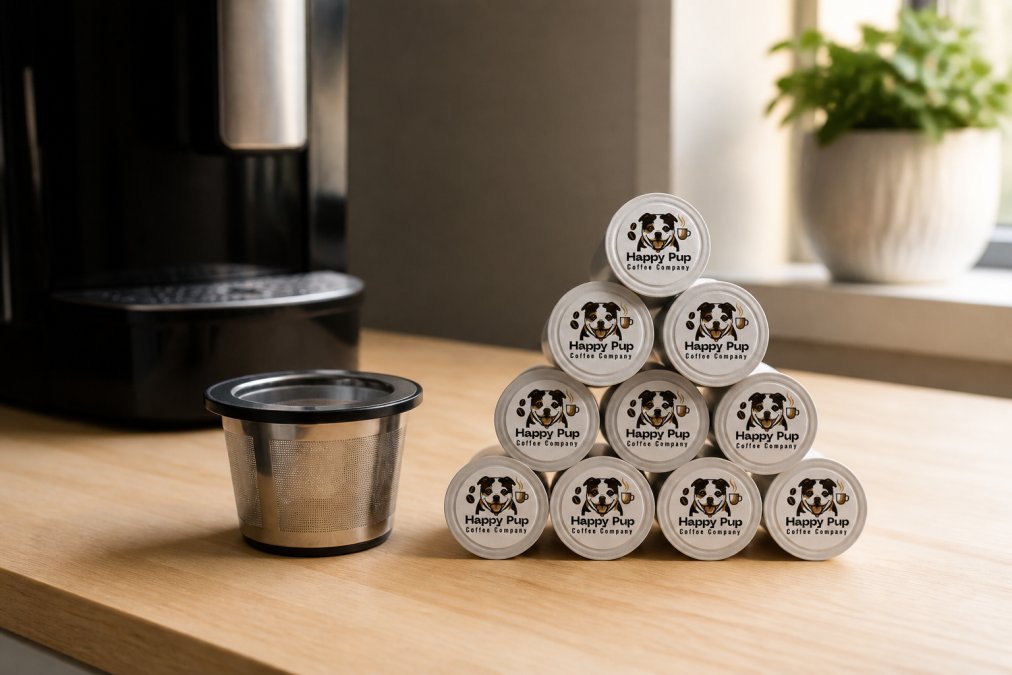
Beyond cost savings, reusable filters eliminate packaging waste entirely. The only waste generated is used coffee grounds, which you can compost. Trade-offs include slightly more effort, buying ground coffee separately, filling the filter, and cleaning it after use, and coffee quality depends on your grind size and technique rather than pre-measured consistency.
For households consuming multiple pods daily, reusable filters represent an economically and environmentally rational choice.
Common Mistakes When Recycling Coffee Pods
Even when consumers attempt to recycle responsibly, several common mistakes undermine the effort. The most damaging is placing unrinsed pods in curbside recycling, dried coffee residue contaminates aluminum and plastic streams, causing entire batches to be rejected. Rinsing takes 10 seconds but makes the difference between reprocessed material and landfill waste.
Other mistakes include assuming all pods are recyclable without checking local guidelines, separating pods incorrectly by leaving filter material bonded to shells, purchasing compostable pods without verifying access to commercial composting facilities, and giving up after discovering curbside rejection. Mail-in programs, brand-specific take-back initiatives, and manual aluminum recovery all exist as alternatives.
Conclusion
Single serve coffee capsules present a genuine recycling challenge, but they're not unsolvable. Manual separation and aluminum recovery, brand-specific mail-in programs, compostable alternatives, and reusable filters each offer legitimate pathways forward. The right choice depends on your local infrastructure, consumption habits, and commitment level.
At Happy Pup Coffee Company, we recognize that convenience and sustainability don't have to conflict. Our single-serve capsules are designed with quality and freshness as priorities, sealed with no oxygen to preserve our specialty-grade coffee until the moment you brew. Whether you choose to recycle, compost, or explore reusable alternatives, the most important step is making an informed decision.
Start by checking your local municipal guidelines, identify which recycling or composting option aligns with your situation, and commit to that system consistently. When millions of households approach single serve coffee capsules responsibly, the cumulative impact shifts market incentives toward more sustainable pod design and better infrastructure for recovery.
Frequently Asked Questions
Can I just throw single serve coffee capsules in my curbside recycling bin?
Most curbside collection programs cannot accept single-serve coffee capsules because they are too small for sorting technology at material recovery facilities. The pods get jammed in conveyor systems or fall through sorting screens, contaminating the waste stream. Check your local municipal guidelines first, but in most cases, you'll need to use specialized mail-in recycling programs or remove components manually for separate disposal. Contact your waste management provider to confirm what your area accepts.
How do I recycle K-cups properly?
To recycle K-cups, first remove the used coffee grounds and rinse the pod. Separate the aluminum or plastic shell from the filter paper. The aluminum can go in some curbside programs, while the plastic resin may require a specialized recycling service. Many pods contain both aluminum and polypropylene, which need to be sorted separately. Some brands offer prepaid shipping labels for mail-in recycling. You can also compost the coffee grounds and filter paper if they're unbleached, reducing the overall environmental footprint of your single-serve habit.
What is the Nespresso recycling program?
Nespresso operates a collection program where you can return used aluminum capsules through their official recycling partners. They provide prepaid shipping labels so you can mail pods back at no cost, or you can drop them at participating retail locations. The aluminum from these capsules is reprocessed into new products, supporting a circular economy model. This program diverts used capsules from landfills and reduces post-consumer waste, though it requires extra effort compared to curbside collection. Check Nespresso's website for your nearest drop-off location or to request a mailing kit.
Are compostable coffee pods better than plastic or aluminum capsules?
Compostable coffee pods break down in industrial composting facilities, though they require specific conditions of heat and moisture that home compost bins typically don't reach. They reduce packaging waste and landfill diversion concerns, but only if they reach a certified composting facility. Most municipal composting programs do not accept them because they can contaminate the waste stream if they don't fully biodegrade. Check with your local waste management to see if they accept compostable pods. For best results, compostable pods work when paired with a commercial composting service rather than curbside collection.
This article was written using GrandRanker